
Loading today's hours...
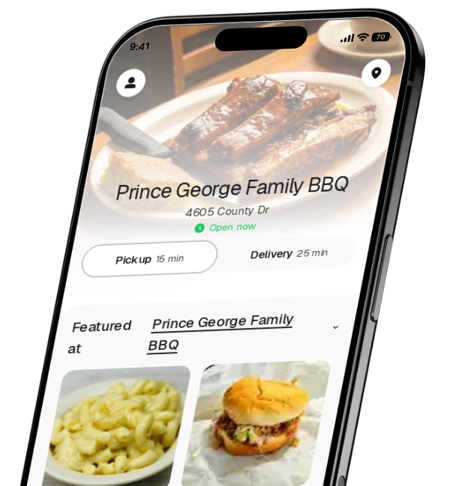
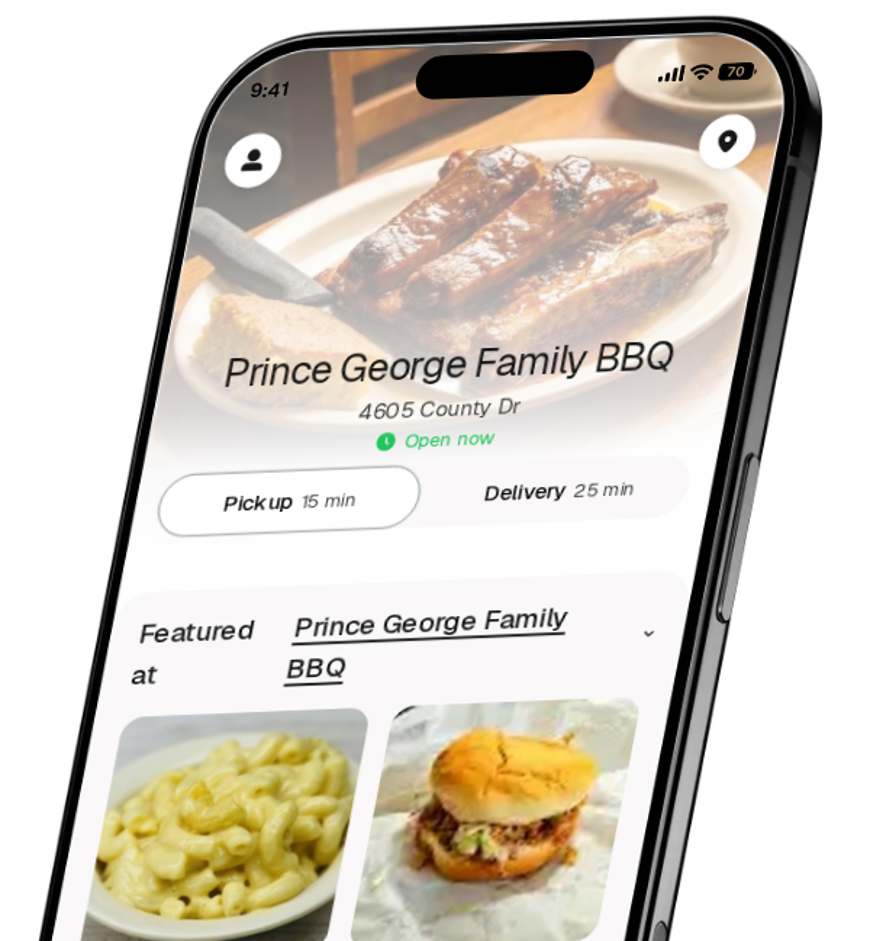
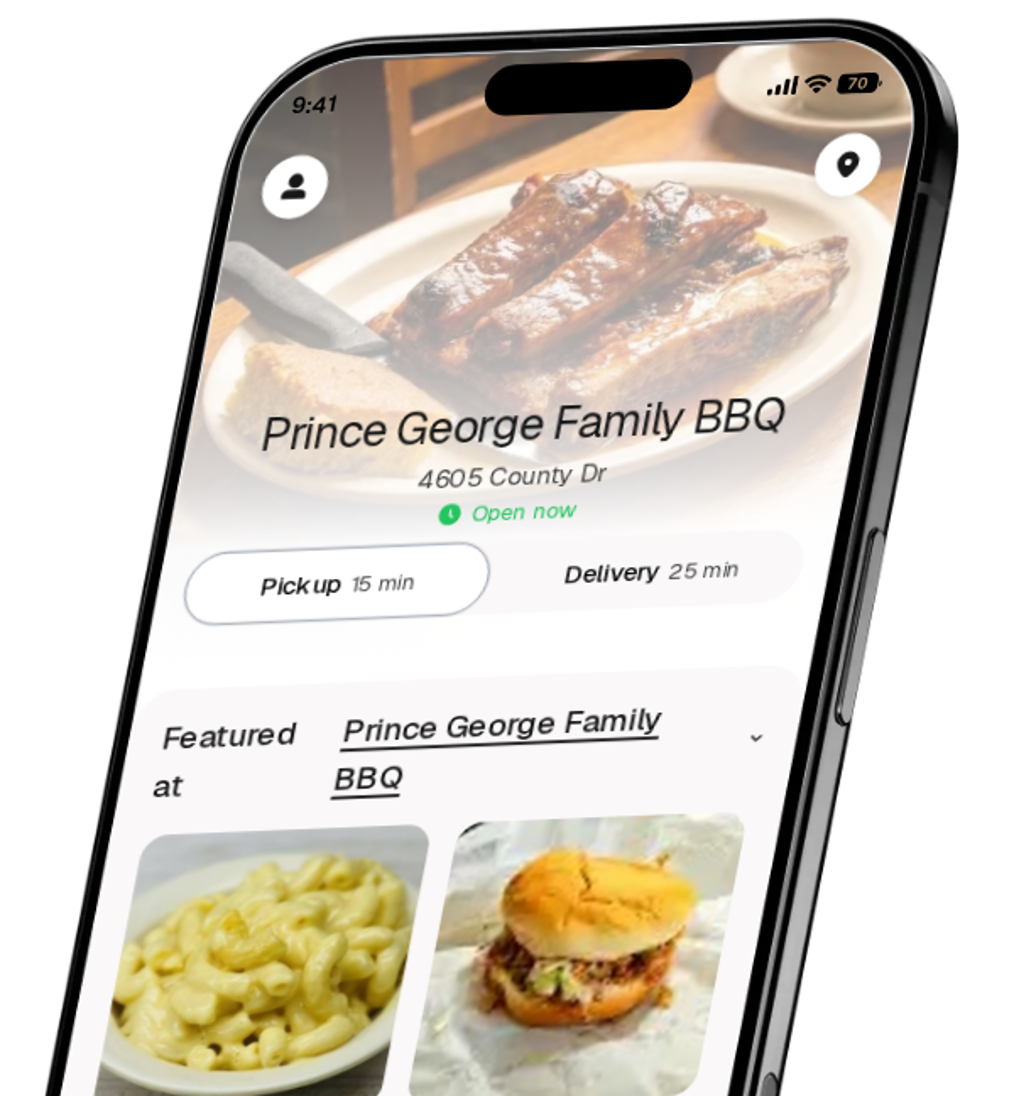
Get our free app
Get promotions, track orders, and reorder favorites in seconds.

Welcome To Prince George Family BBQ
Since 1975, Prince George Family BBQ has been serving authentic Virginia barbecue, Southern comfort food, hearty breakfasts, and homemade desserts with the kind of hospitality that keeps generations of families coming back. Today, we're proud to welcome guests at two Virginia locations, where the same family recipes, generous portions, and warm service continue every day.
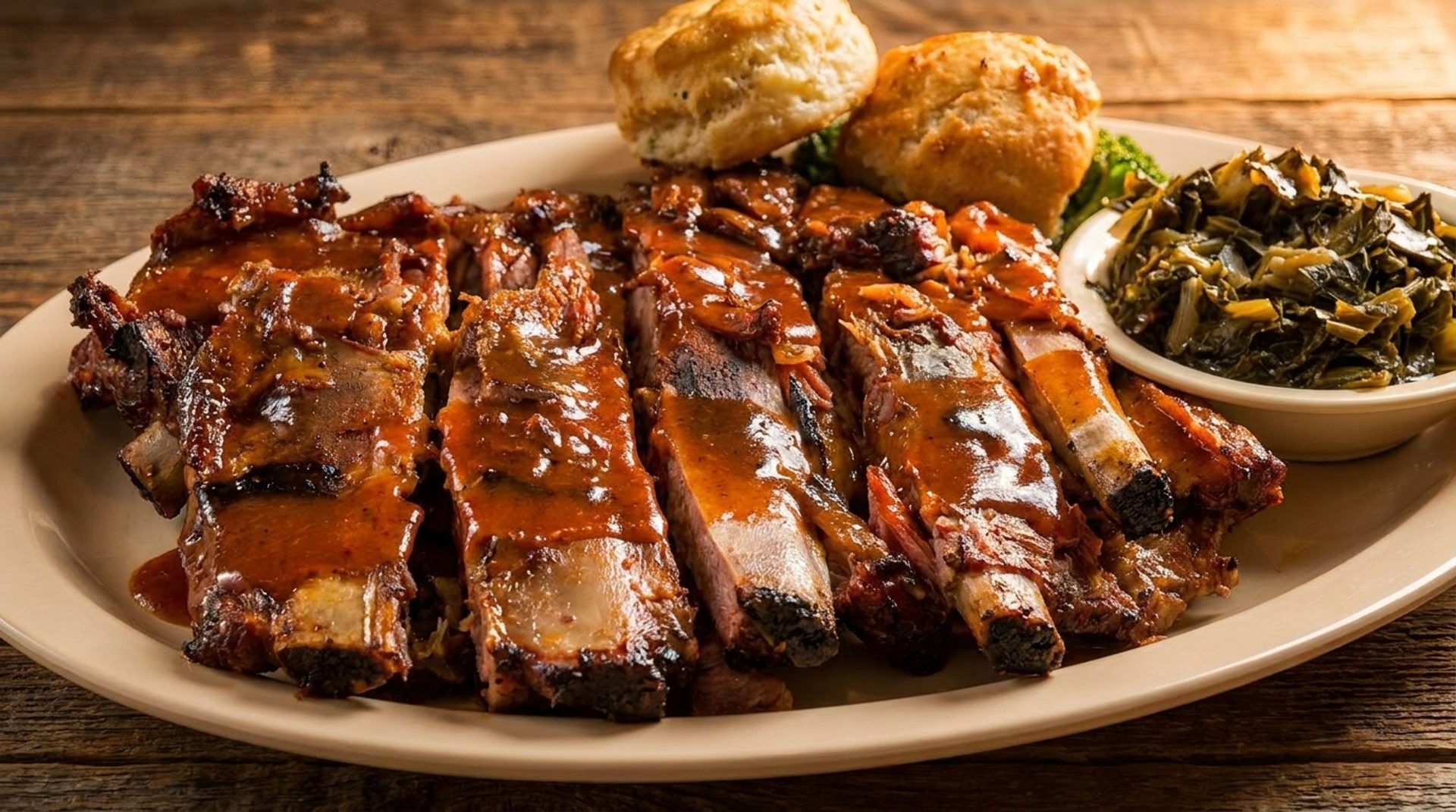
Virginia BBQ & Southern Favorites
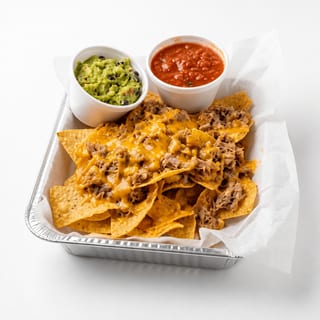
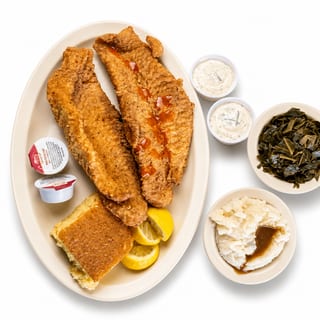
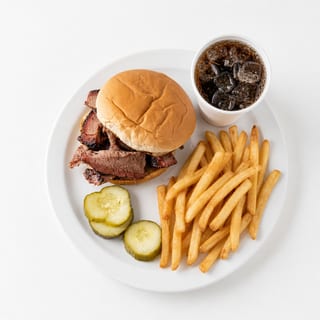
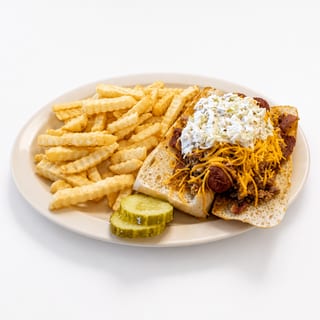
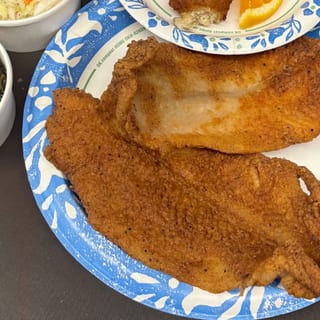
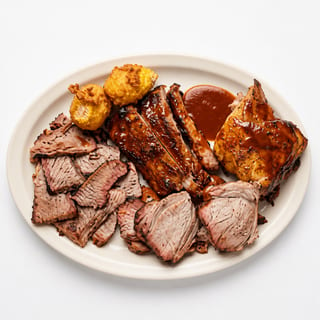
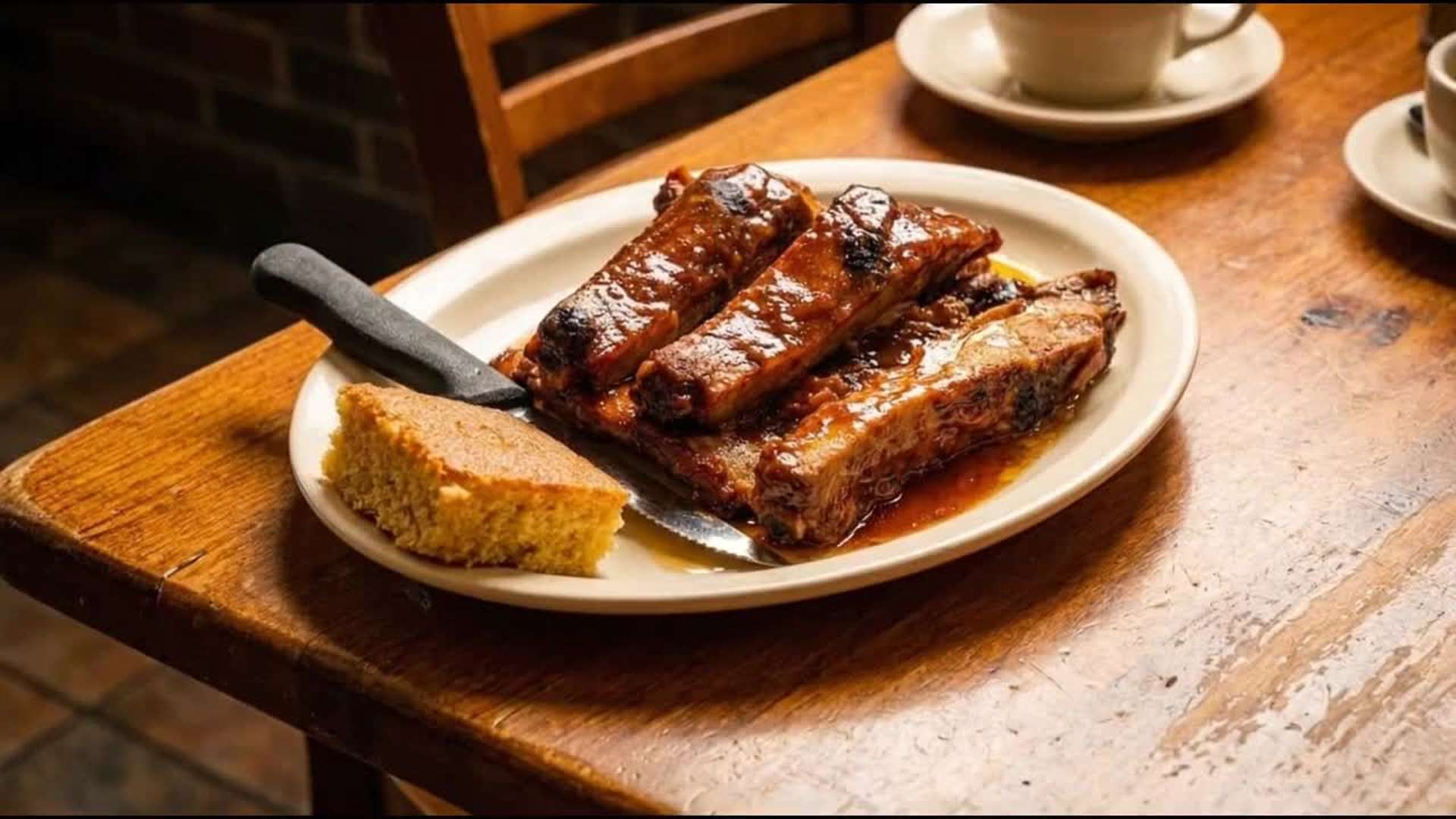
From slow-smoked barbecue, ribs, brisket, and pulled pork to country breakfasts, seafood, homemade sides, and fresh desserts, every meal is prepared fresh and served in the generous portions Prince George Family BBQ is known for.
From the Pit to Your Plate
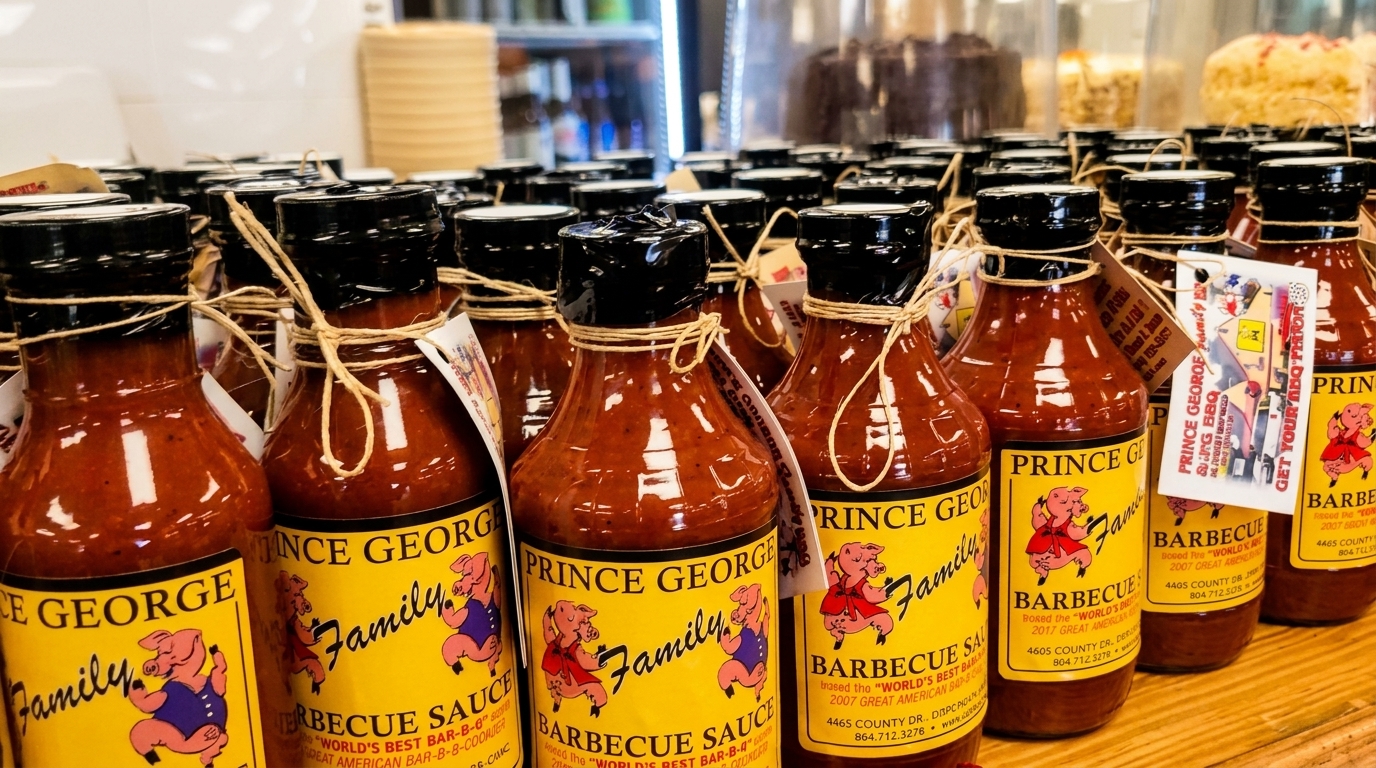
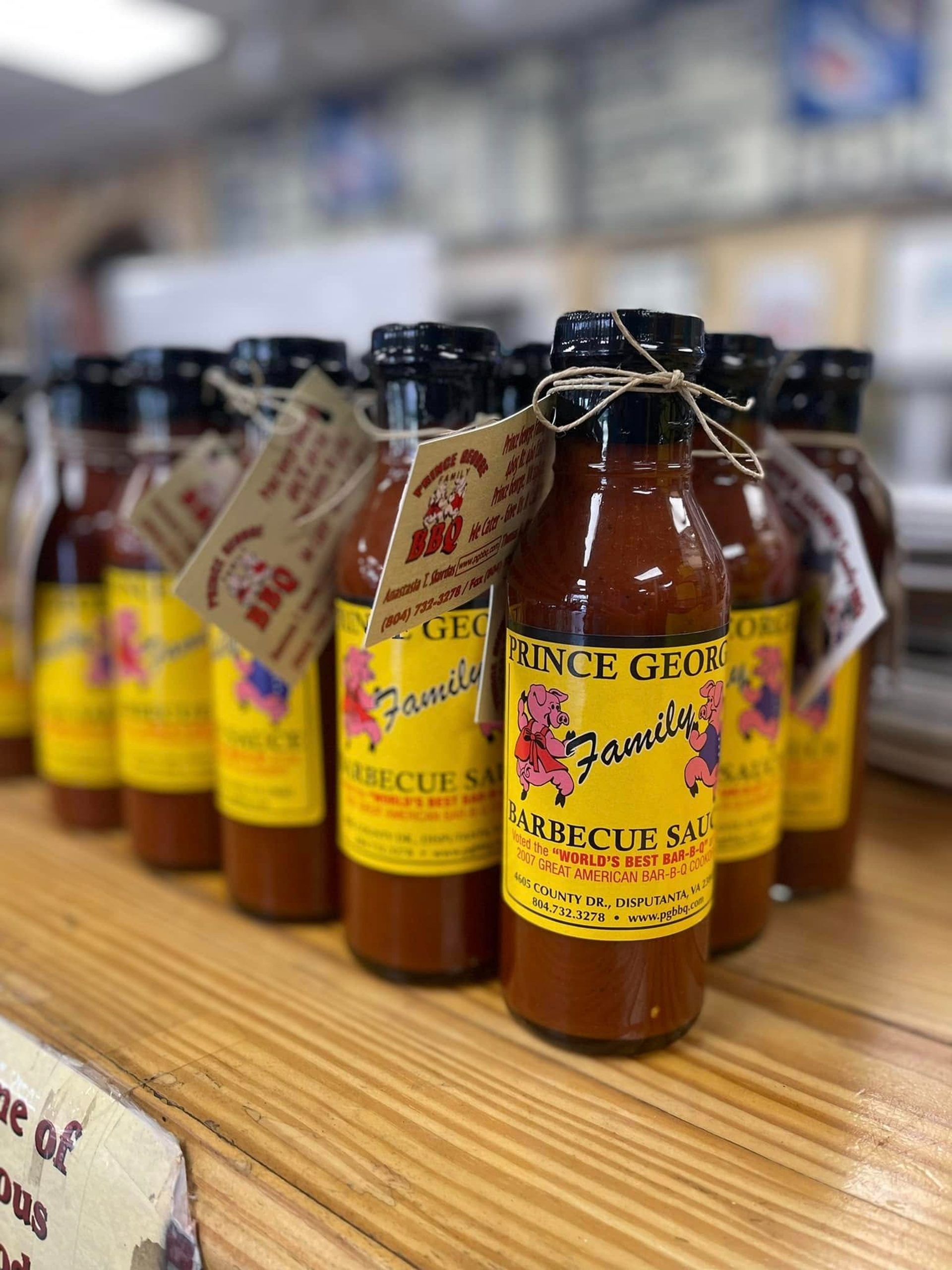
Our BBQ Sauce
Take the smoke home with our BBQ sauce.
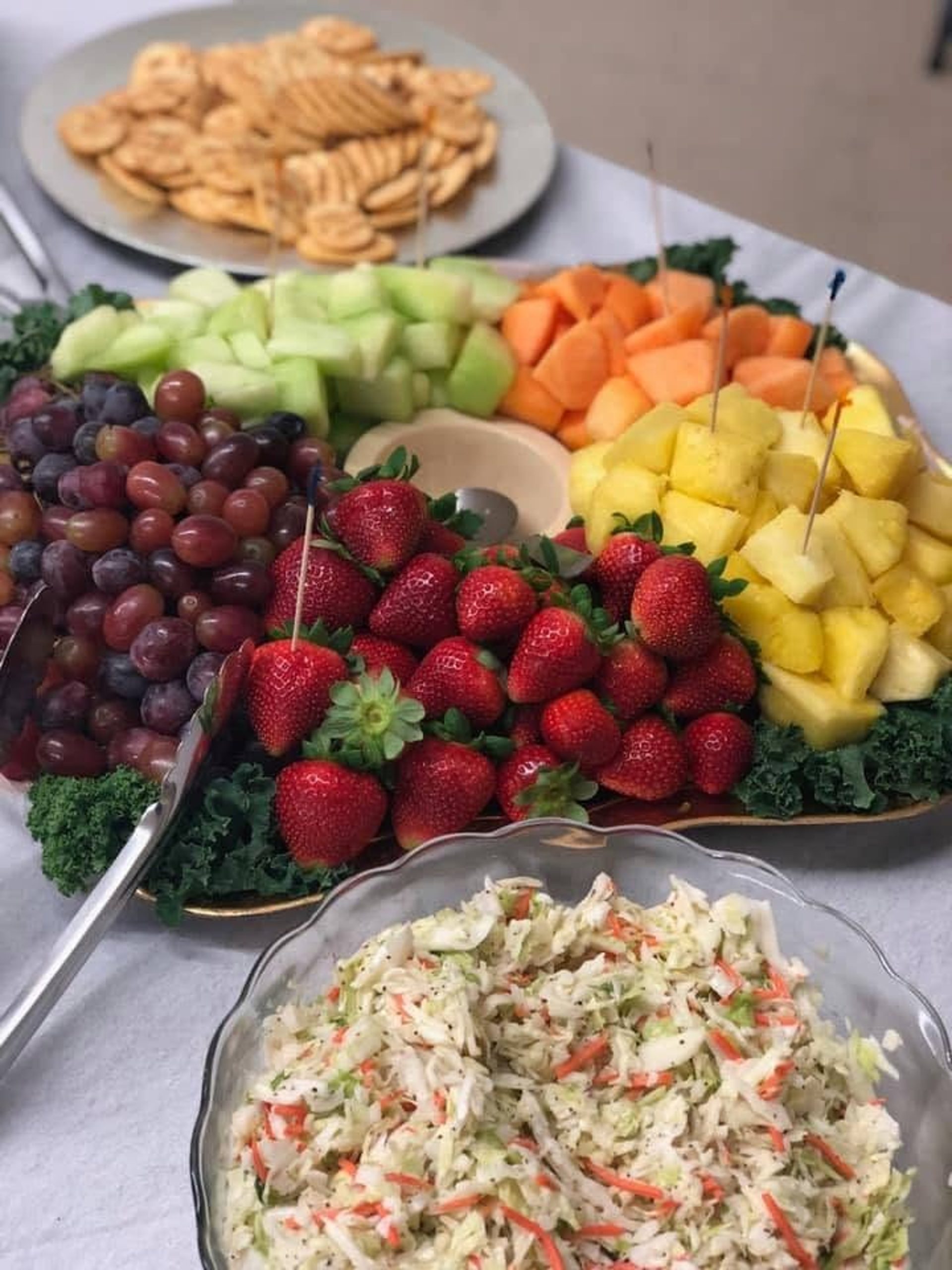
Catering Made Easy
From office lunches and company meetings to weddings, reunions, church gatherings, and community celebrations, Prince George Family BBQ makes feeding a crowd simple. Authentic Virginia barbecue, Southern favorites, homemade sides, and desserts are prepared fresh for groups of every size.
A Tradition Worth Sharing
Whether you're enjoying breakfast with family, stopping in for lunch, gathering around the dinner table, or catching up with friends over authentic Virginia barbecue, Prince George Family BBQ offers the welcoming atmosphere, generous portions, and Southern hospitality that have made us a favorite for generations.
Two Locations. One Family Tradition.
Whether you're visiting our original restaurant in Disputanta or joining us at our Richmond location, you'll find the same authentic recipes, friendly service, and Southern hospitality that have defined Prince George Family BBQ since 1975.

46 Years on County Drive
Prince George Family BBQ has been feeding locals, neighbors, and travelers from a little yellow building in Disputanta, Virginia for over 46 years. This is how it happened — and why it stuck.
Features
Dine In
Delivery
Takeout
Catering
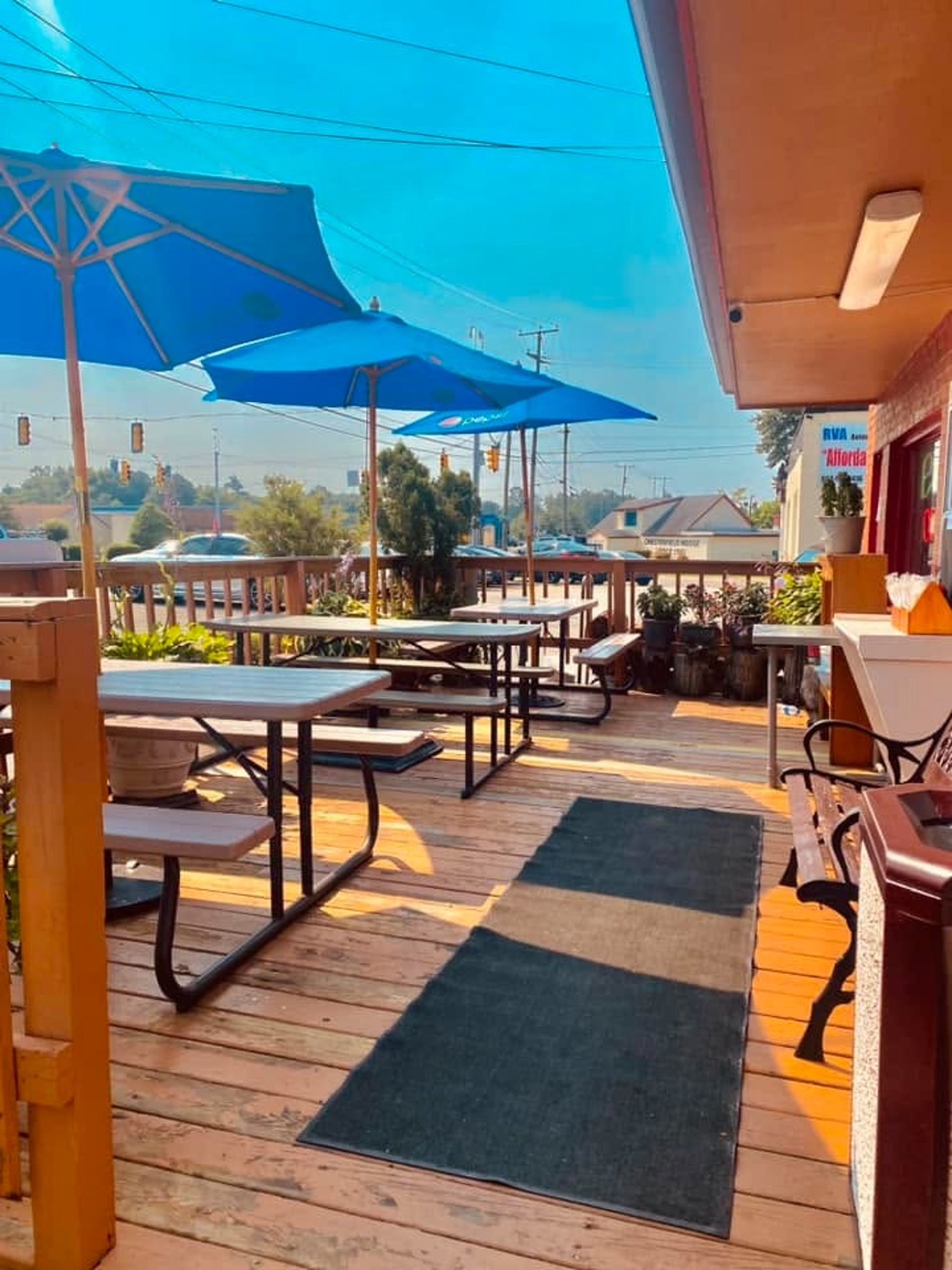
Outdoor Seating
Good family BBQ. Good food, good prices, good selection. Breakfast, lunch, and dinner.
BEST BBQ I have had in a long time! Awesome place; definitely recommend and will be back!
My husband and I went here for lunch today, and hands down, they had the best Philly cheese steak sub we've ever eaten!!!! We will definitely be back 😊👌👌
Prince George Family BBQ Rewards
Join our rewards program, earn points every time you order online, and redeem your points for free food!
Frequently Asked Questions
What are you known for?
We are known for Wings, Hamburger, Burgers, BBQ Ribs, Grilled Chicken, Collard Greens, Fried Fish, Coleslaw, Pork, Biscuits, Ribs, Eggs, Southern Food, Breakfast, Toast, Bagels, BBQ Chicken Sandwich, Sausage, Chicken Salad, Pancakes, Hushpuppies, French Toast, Barbecue Ribs, Country Ham, Hot Dogs, Banana Pudding, Waffles, Sausage Biscuits, Peach Cobbler, German Chocolate Cake, Chicken Biscuits, Fried Chicken, Fried Okra, Brisket, Grits, BBQ Chicken, Fries, French Fries, Pecan Pie, Country Fried Steak, Oatmeal, Potato Salad, Coffee, and Cornbread
What areas do you serve?
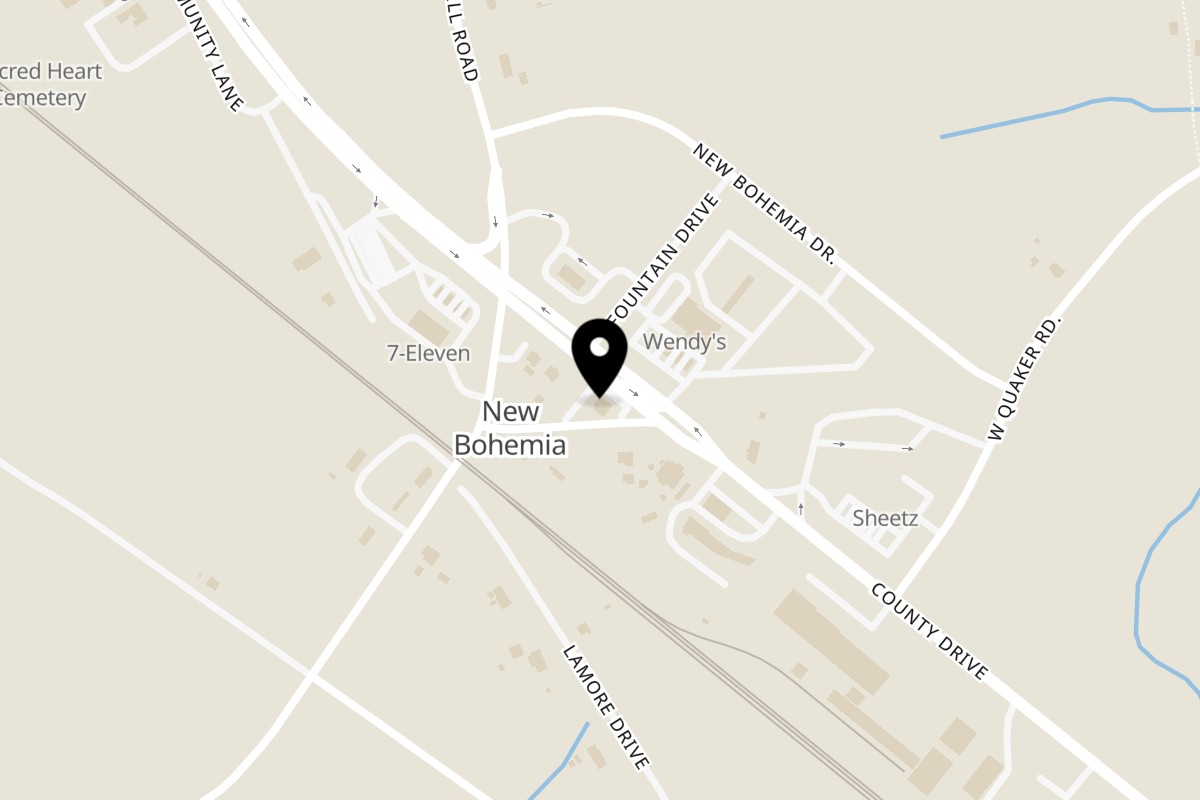
We serve the following areas: New Bohemia, Bellwood, Bellwood Manor, Centralia, Chester, Drewrys Bluff, Dutch Gap, Meadowbrook, Bensley, Petersburg, Fort Lee, Prince George, Chesterfield, Richmond, Chesterfield Court House, Deerfield Estates, Richmond Heights, Blandford, Heights, and Fair Hill.
Anything else?
We are also known for Family Friendly Restaurant